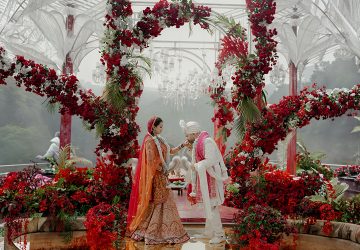
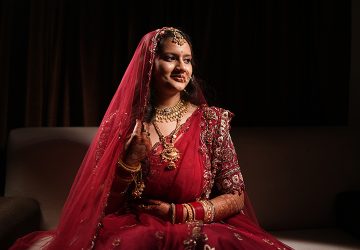
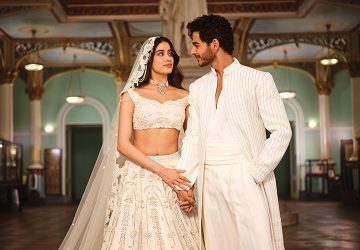


Choosing the right wedding lehenga is not just about colour or embroidery—it’s also about the season. From rich, layered winter celebrations to sunlit summer weddings, the fabric, silhouette, and detailing of your lehenga play a key role in comfort and style. Understanding how winter lehengas and summer styles differ can help brides and wedding guests make elegant, season-appropriate choices.
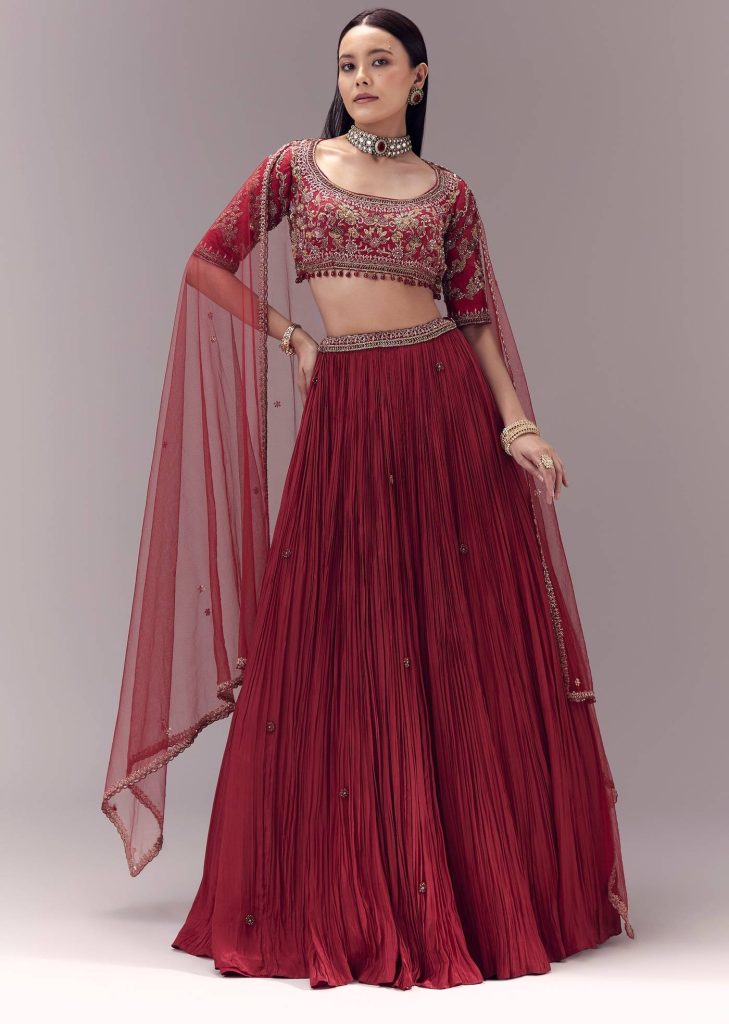
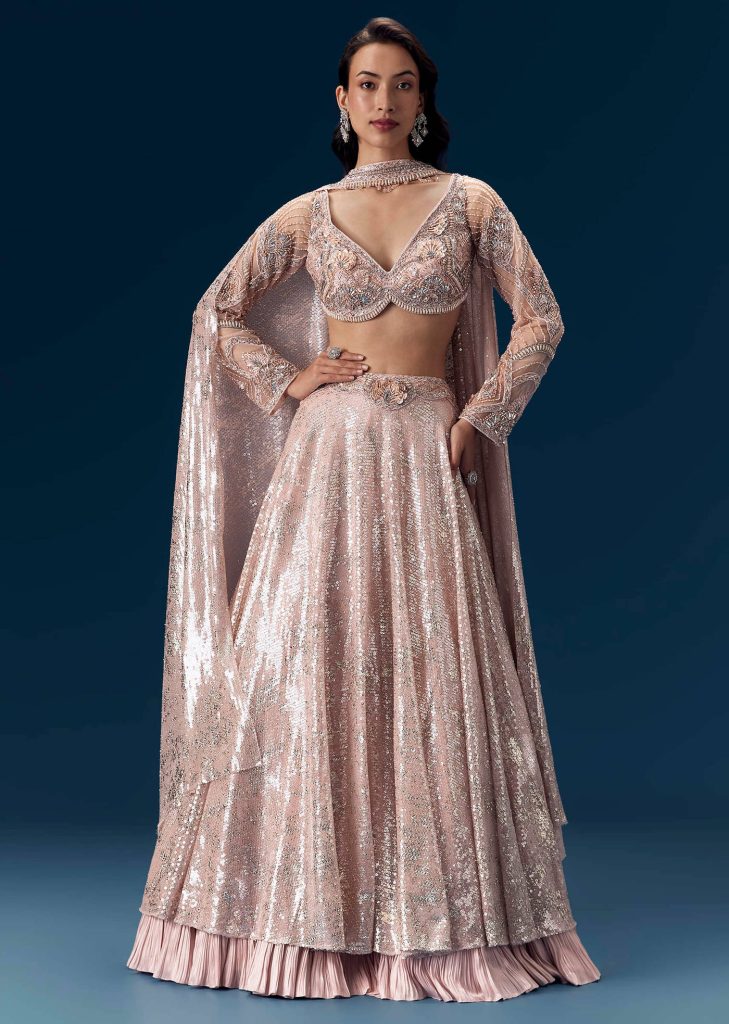
Choosing the Right Wedding Lehenga for Every Season
Seasonal dressing has become an important part of bridal fashion. While aesthetics matter, comfort and practicality are just as essential—especially during long wedding ceremonies.
What Makes a Perfect Winter Lehenga?
Winter weddings call for lehengas that offer warmth without compromising on grandeur. Winter lehengas are typically crafted in heavier fabrics like velvet, raw silk, brocade, or layered silks. These materials not only retain warmth but also enhance the richness of embroidery, making them ideal for regal, evening celebrations.
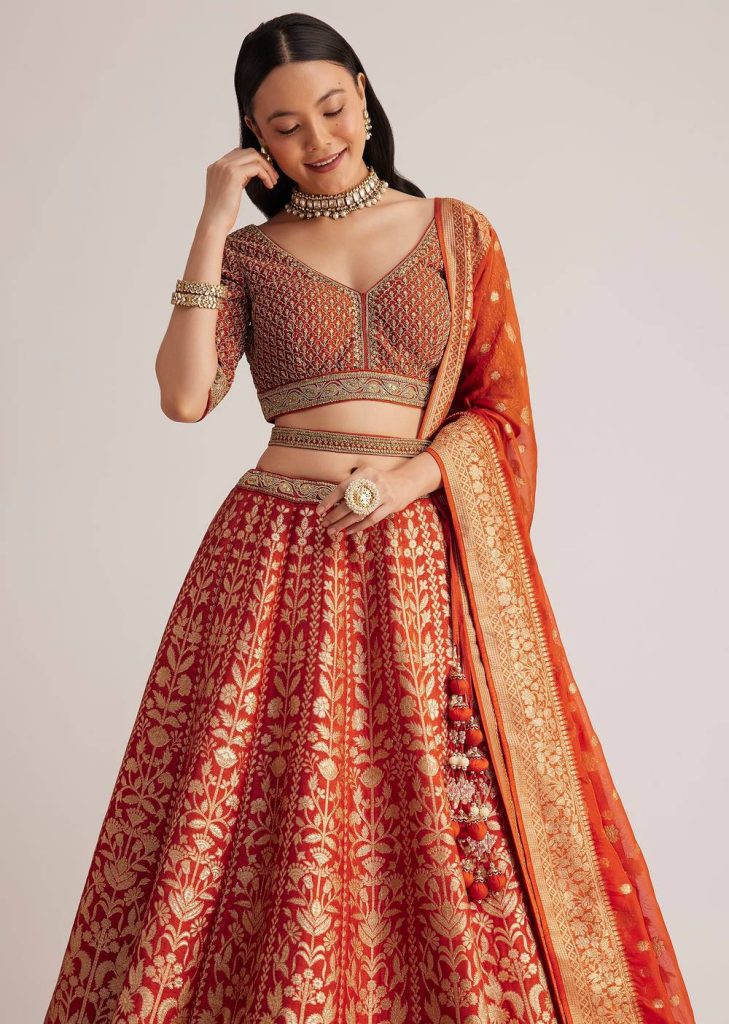
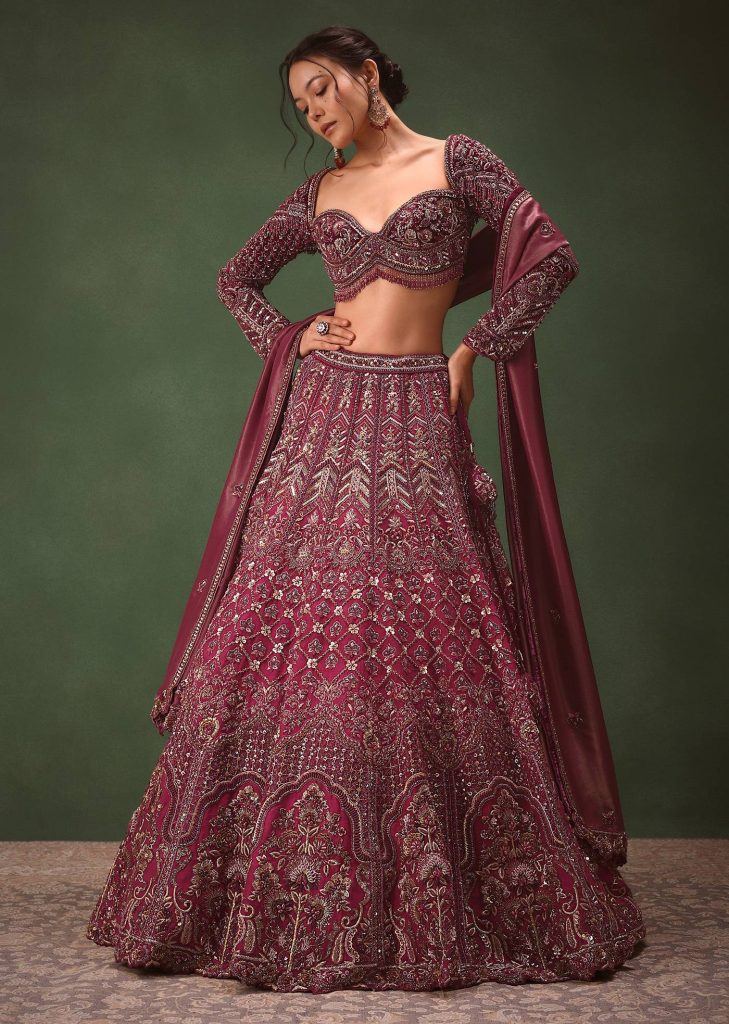
Summer Lehenga Styles: Light, Breezy, and Beautiful
A summer lehenga focuses on ease and breathability. Lightweight fabrics such as organza, chiffon, georgette, and soft net allow better airflow while maintaining elegance. Summer styles often feature softer embroidery, lighter linings, and fluid movement—perfect for daytime and outdoor weddings.
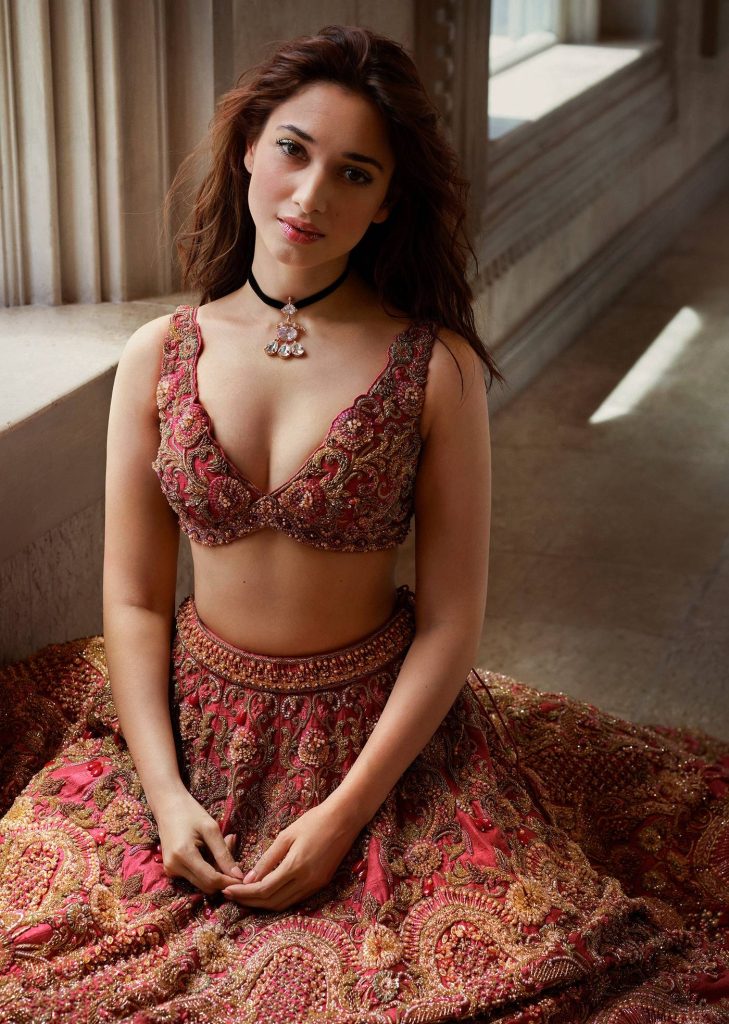
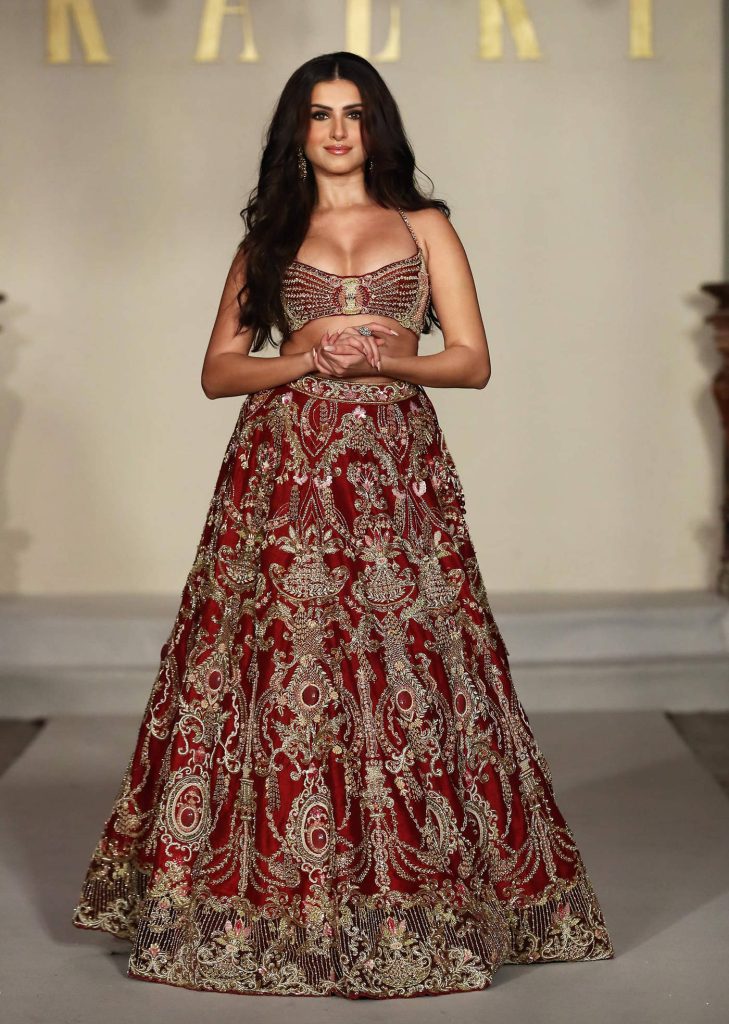
Lehenga for Winter Wedding: Fabrics & Embellishments to Keep You Warm
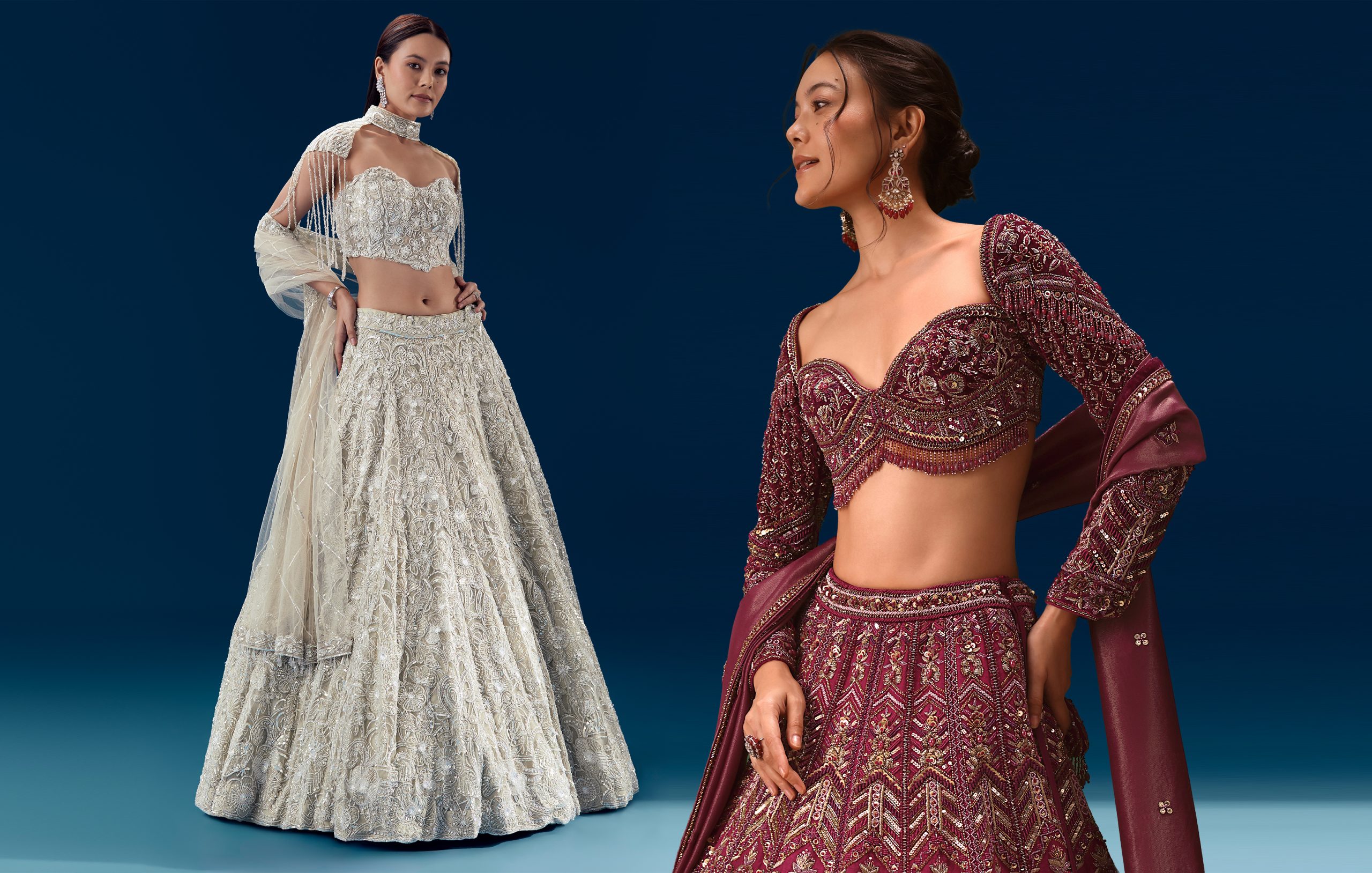
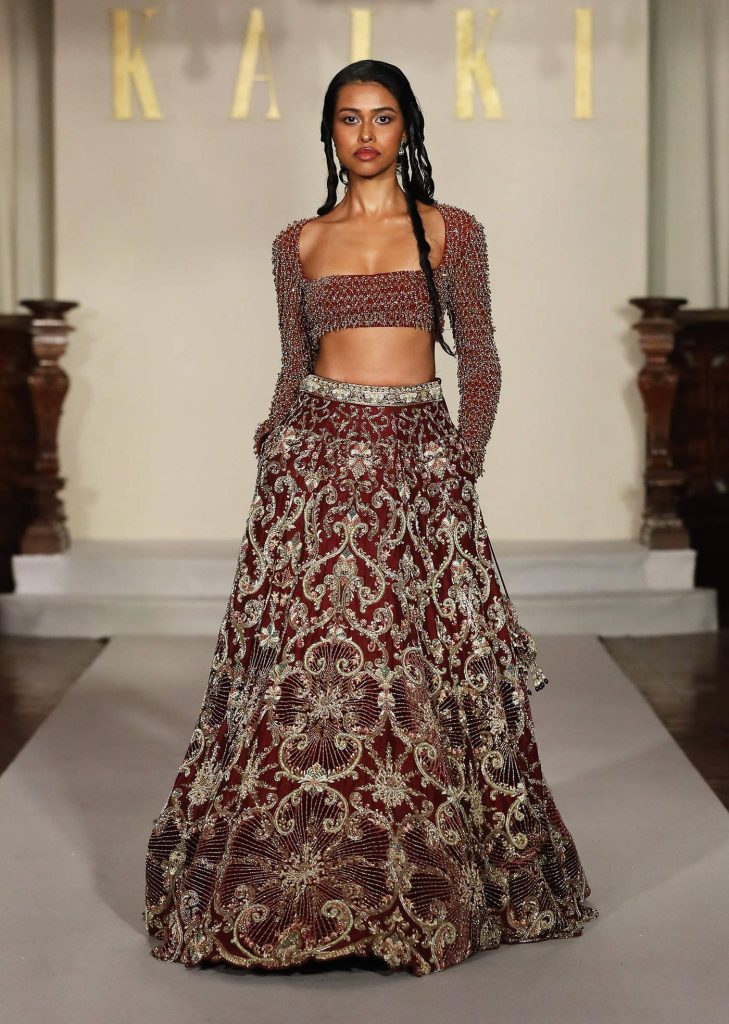
When selecting a lehenga for winter wedding celebrations, opt for dense weaves, full-sleeved blouses, and layered dupattas. Intricate zari, zardozi, and resham embroidery not only add visual depth but also enhance insulation. Cape blouses and embroidered shawls are popular additions that blend function with fashion.
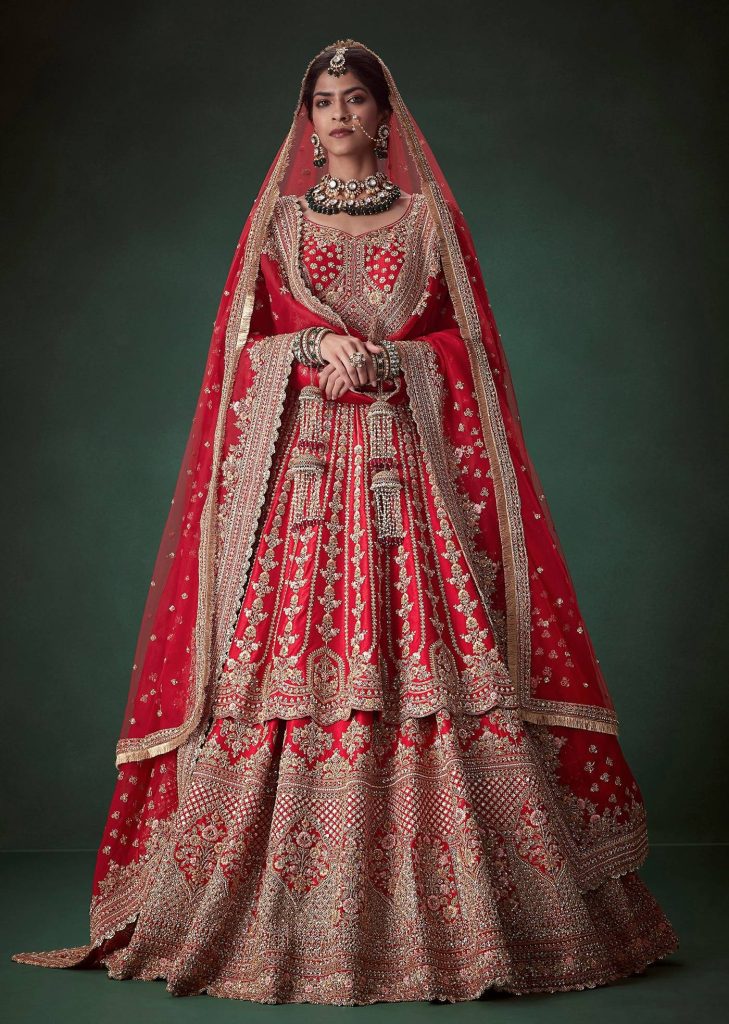
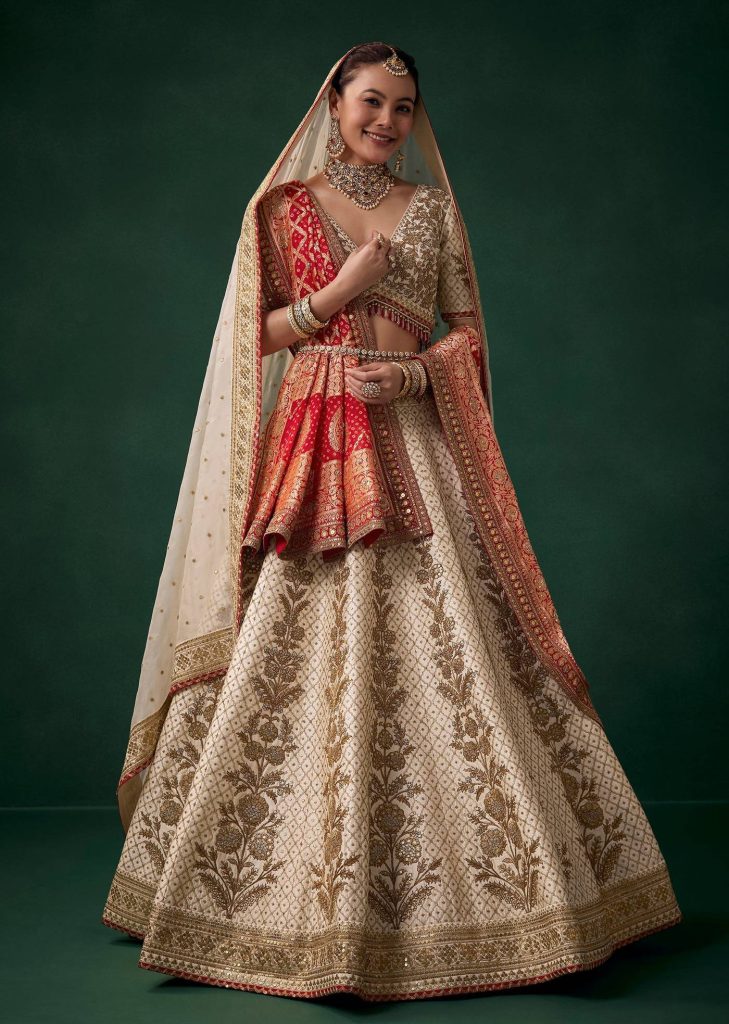
Bridal Lehenga for Summer Wedding: Fabrics & Designs for Comfort
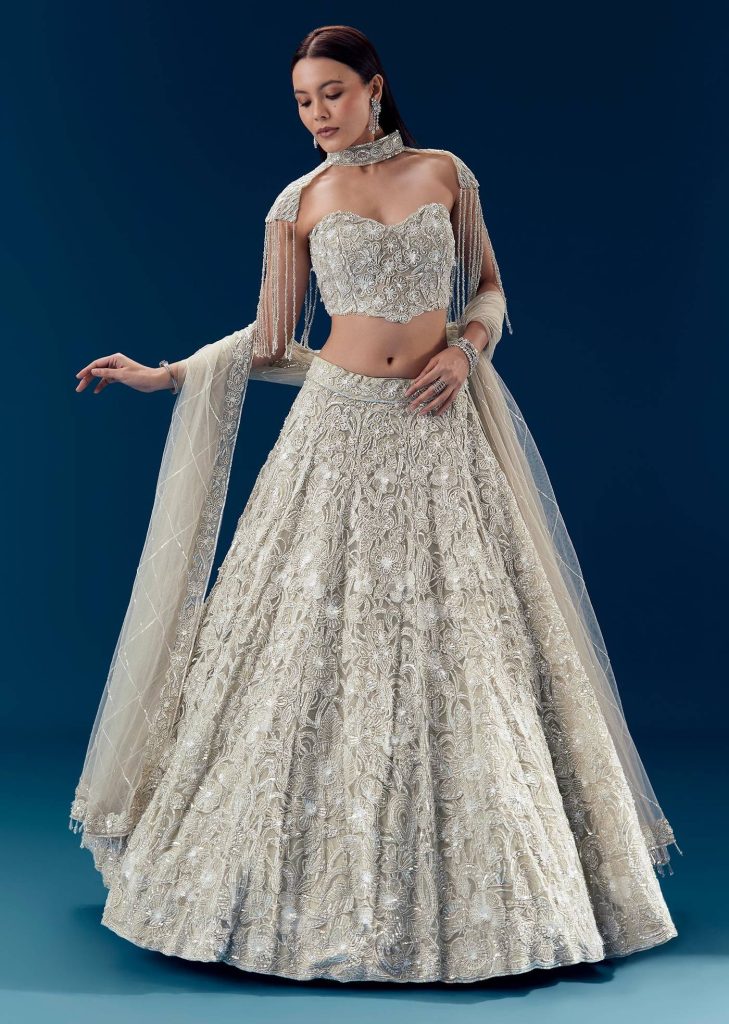
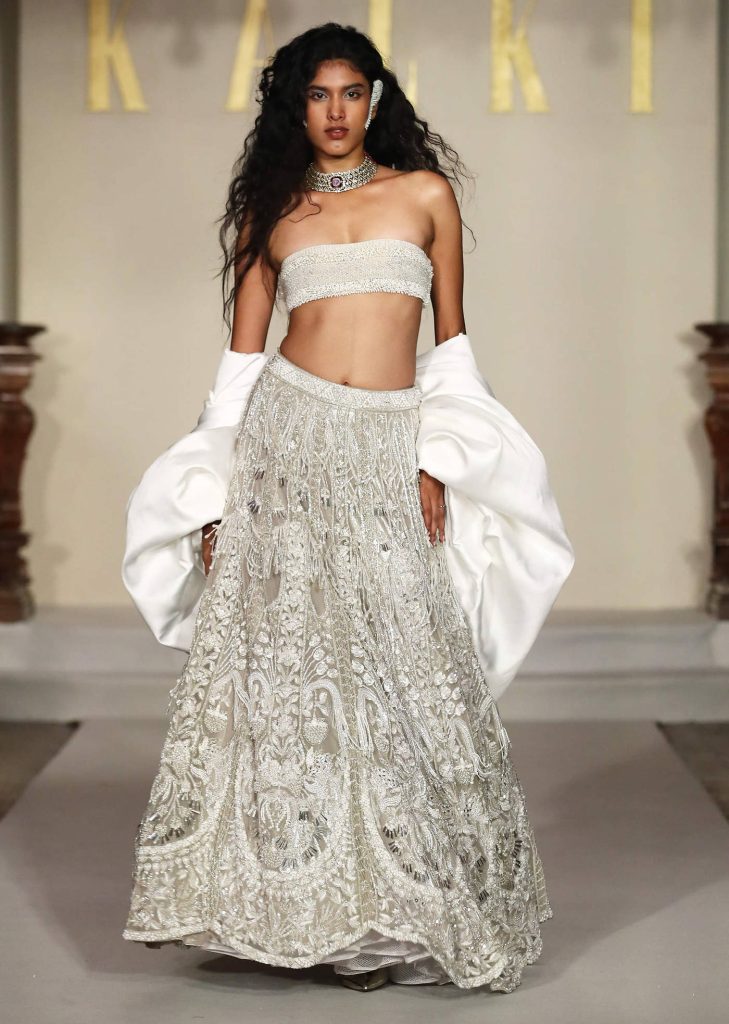
A bridal lehenga for summer wedding ceremonies should prioritise comfort while still feeling luxurious. Pastel shades, floral motifs, and lighter embellishments help keep the look fresh and airy. Brides often choose minimal layering and softer can-can structures to avoid heaviness during warmer months.
Best Winter Lehenga Designs for a Regal Look
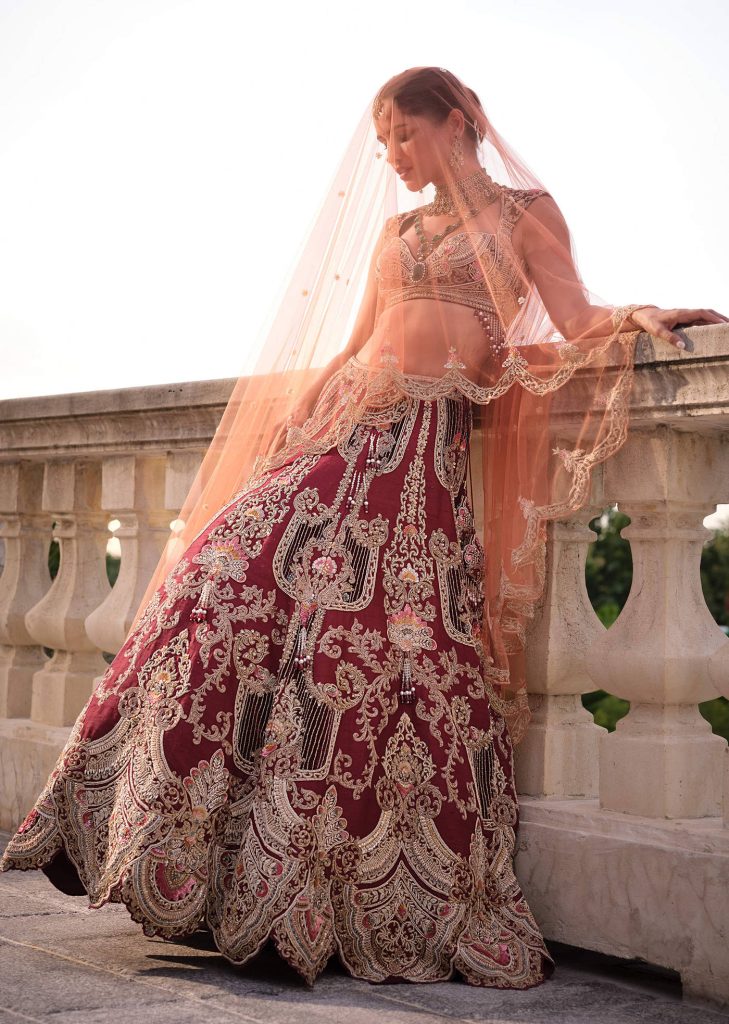
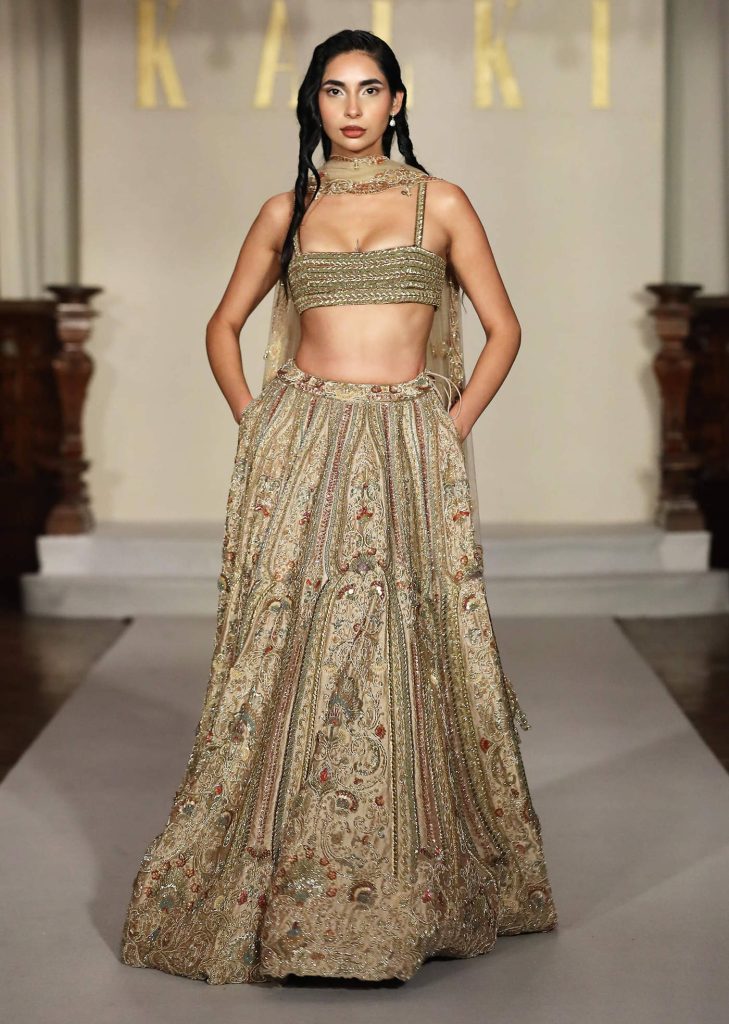
The best winter lehenga designs often feature deep jewel tones, antique gold embroidery, and structured silhouettes. Think velvet panels, double dupatta styling, and statement borders that create a royal aesthetic—perfect for evening pheras and grand receptions.
Styling Tips for Seasonal Lehengas
Styling plays a major role in adapting your lehenga to the season.
How to Layer Your Winter Lehenga Without Hiding the Glamour
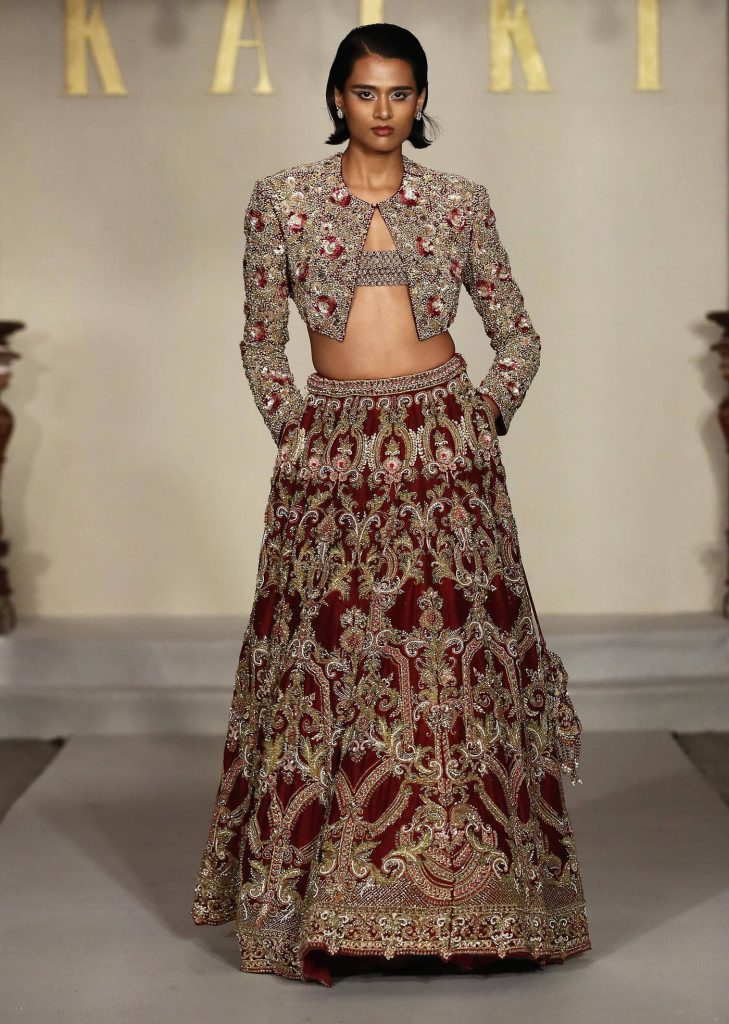
Layering is key for winter lehengas. Opt for embroidered jackets, capes, or shawls that complement your lehenga rather than overpower it. Coordinated layering adds warmth while enhancing the overall bridal look.
Accessories to Pair with a Summer Lehenga for a Fresh Look
With a summer lehenga, keep accessories light and elegant. Statement earrings, minimal necklaces, and fresh floral hair adornments help maintain a breezy, refined look without adding weight.
Seasonal Color Trends for Bridal Lehengas
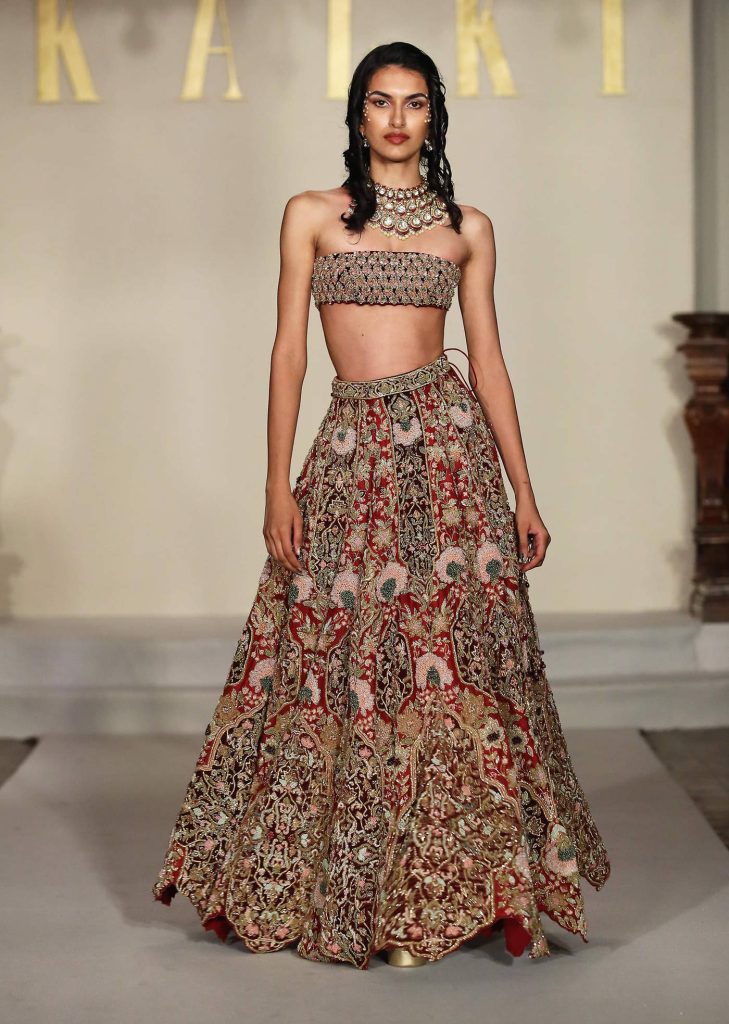
Winter weddings favour rich hues like maroon, emerald, navy, and wine, while summer weddings shine in blush pinks, ivory, mint, peach, and powder blue. Choosing colours based on season elevates both comfort and visual appeal.
Conclusion
Whether you’re planning a winter or summer celebration, choosing the right lehenga ensures you look and feel your best. From luxurious winter lehengas that exude regal charm to lightweight summer styles designed for comfort, seasonal dressing allows bridal fashion to shine effortlessly. With thoughtful fabric choices and styling, every bride can find her perfect lehenga—no matter the weather.
FAQs
Velvet, raw silk, brocade, and layered silks are ideal fabrics for winter lehengas as they provide warmth and structure.
Layer with embroidered jackets, capes, shawls, and full-sleeved blouses while keeping the lehenga silhouette intact.
Pastels, soft neutrals, floral tones, and lighter shades work best for summer weddings.
Summer lehengas focus on lightweight fabrics and minimal layering, while winter lehengas use heavier materials, richer embroidery, and layered styling.